
- Friday March 6th, 2020
- Posted by: Costas Halambalakis
- Category: blog
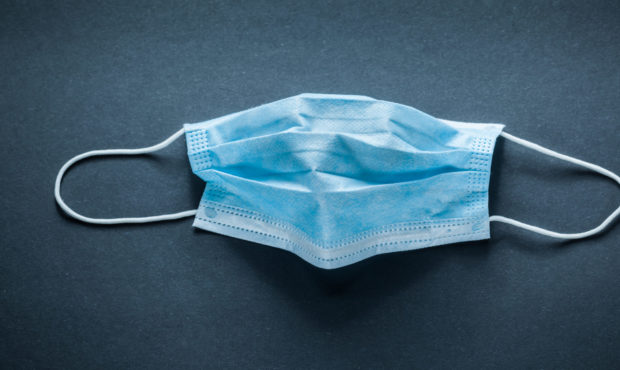
What are face protection masks?
It is widely known that any seasonal flu is easy to transmit through inhaled air. Therefore, the use of a mask and hand sanitizer in crowded places (museums, airports, hospitals, public transport, etc.) becomes essential. There are different types of medical masks, mouth masks, and protective masks on the market, each for different applications.
Disposable surgical masks
The simple surgical mask creates a natural barrier to large respiratory droplets. When used correctly, it protects against the transmission of droplet-borne respiratory diseases.
The simple surgical mask should be applied:
- if you have a respiratory tract infection
- if you come into close contact with patients with a respiratory infection
- when visiting hospitals and clinics during the peak of seasonal influenza
Μάσκες προστασίας FFP1, FFP2 και FFP3
The masks work and protect the respiratory system from dust, particles, or droplets. They are divided into 3 levels of protection FFP1, FFP2, and FFP3 (FFP = Filtering face piece). The difference in protection levels indicates the difference in the retention of suspended particles or droplets.
What does an FFP1 filter protect?
- It protects against low levels of dust.
- It protects against solid and liquid particles in the air.
- Can be used for hand grinding, drilling, and cutting.
- Filters 4 times more particles.
What does an FFP2 filter protect?
- Protects against moderate levels of dust.
- Protects against solid and liquid particles in the air.
- Higher protection than FFP1
- Can be used for plastering and sanding.
- Filters out 10 times more particles.
What does an FFP3 filter protect?
- Protects against higher levels of dust.
- Protects against solid and liquid particles in the air.
- Higher protection than FFP1 and FFP2.
- Can be used to protect against hazardous dust such as those in the pharmaceutical industry.
- Filters out 20 times more particles.
- Can be used as an asbestos mask
What are N95 protection masks?
The N95 mask is widely known in America ( in Europe FFPs are more commonly used) and is of equivalent protection to FFP2. It filters out 95% of suspended particles with a diameter size of 0.3
| Mask | Dynamic filter mask (filters a percentage of suspended particles with a size of 0.3 microns or larger) |
| FFP1 | 80% |
| FFP2 | 94% |
| N95 | 95% |
| FFP3 | 99% |
When should you use a mask?
If you are healthy, you only need to wear a mask if you are caring for a person with a suspected 2019-nCoV infection.
Wear a mask if you cough or sneeze.
Masks are only effective when used in conjunction with frequent hand cleaning with alcohol or soap and water.
If you wear a mask, you need to know how to use it properly.
Instructions for mask use:
- Thoroughly clean your hands before applying the mask
- Apply the surgical mask to the face as best as possible, covering the nose, mouth, and chin completely.
- Tie the laces at the back of the head and neck or at the ears if it is a rubber mask.
- Do not touch the surgical mask after applying it without washing your hands.
- Remove the mask carefully by grasping only the laces and be careful not to touch the mask.
The World Health Organization informs that the best way to avoid catching viruses like the flu is to wash your hands regularly with warm water and soap, use antiseptic, avoid touching your eyes and nose, and avoid crowded places where possible.
Sources: World Health Organization, National Public Health Organization